Free Robux Scratch - Get Robux
- 4.7
- Rating
- 100.00K
- Installs
- Free
- Price

 Analysis by App-foxy
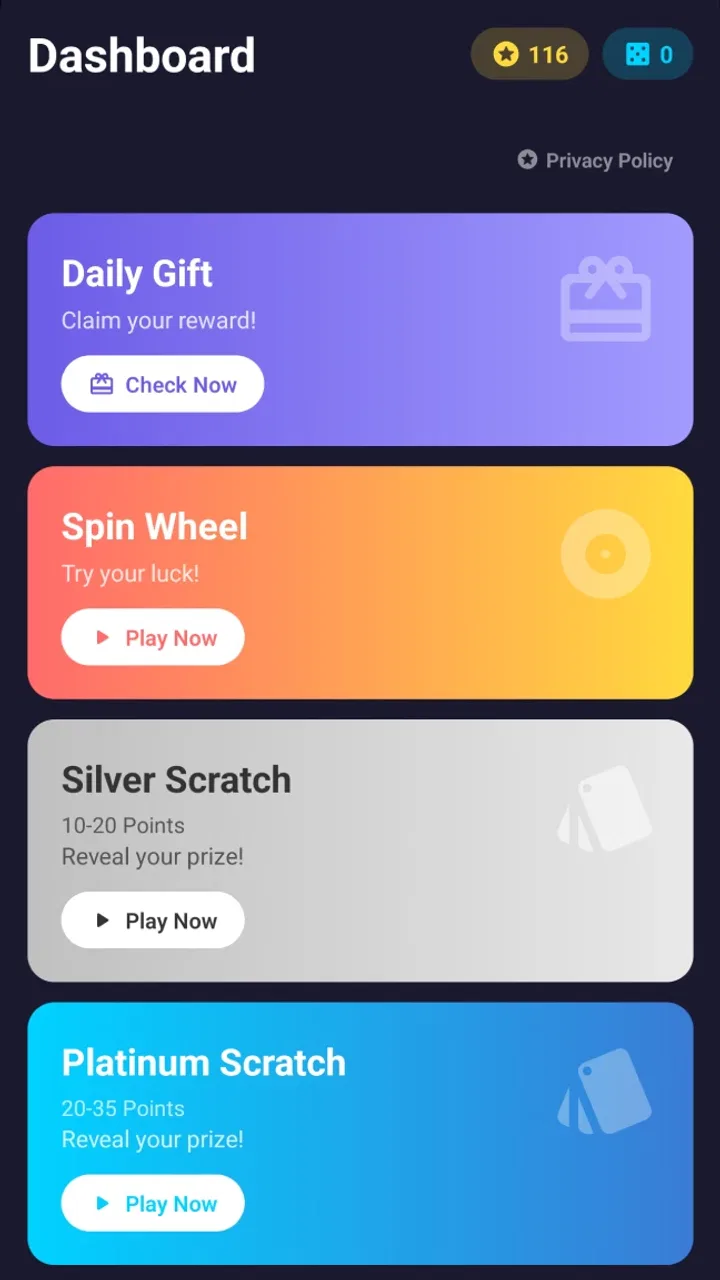
If you are curious about a small trivia game built around a Robux-themed reward idea, Free Robux Scratch - Get Robux is easy to understand at first glance. I approached it as a casual game rather than as a dependable way to obtain anything valuable, and that distinction shaped my experience. The main appeal is the quick, scratch-card-style interaction: open the game, try the available activity, and see what the reward-style presentation offers.
The game comes from Kachan Dev and sits in the trivia category. It is free to install, carries an Everyone age rating, and is designed for Android devices running version 8.0 or later. Its current version is 30, and the listing shows a 4.7 average from around a thousand ratings, with more than ten thousand installs. Those figures suggest that the concept has attracted a real audience, although they should not be mistaken for proof that every player will receive Robux or have the same experience.
What to expect before your first scratch
The most important thing to understand is the tone of the game. This is not the same as opening the official Roblox app, and it should not be treated as an official account-management tool. The title and store wording make the reward theme obvious, but the practical experience is closer to a lightweight entertainment app with a scratch-card presentation than to a guaranteed currency service.
You May Also Like

 Pandora - Music & Podcasts
Pandora’s Music Is Easy to Start, but Harder to Recover
Pandora’s strength is its low-effort path from a seed to a station. Its weak spot is how much confidence it asks you to place in connection, setup, and quiet recovery.

 AccuWeather: Weather Radar
AccuWeather Review: A Quick, Clear Forecast for Everyday Decisions
For everyday plans, the best forecast is the one you can understand quickly. AccuWeather makes rain timing, radar, and local conditions easy to act on, with a few trade-offs.

 Hill Climb Racing
Why Hill Climb Racing Still Turns Crashes Into One More Run
A tiny car, a bumpy hill and one more upgrade: Hill Climb Racing keeps resurfacing because its simple chaos makes every near-miss feel personal.

 AliExpress - Shopping App
AliExpress Makes Global Shopping Feel Personal, but Shoppers Bear the Risk
AliExpress turns a global marketplace into a pocket-sized discovery engine. Its reach is useful, its shopping loop compelling, and its trade-offs easy to miss.

 Lords Mobile: Kingdom Wars
Lords Mobile Is a Kingdom-Building Routine, Not a Quick Match
A case-by-case verdict on the building, battles, device demands, and social commitments that make Lords Mobile rewarding for some players and exhausting for others.

 PDF Scanner app - TapScanner
TapScanner Makes Paperwork Easier to Capture, Check, and Share
TapScanner makes scanning with a phone feel less like a rescue operation and more like a dependable step in getting work done. Its capture tools are useful, though not flawless.
More From Our News Desk
View All News


I recommend starting with modest expectations. If you enjoy short sessions, simple reward-style interactions, and trivia-related presentation, you may find it amusing for a few minutes at a time. If your only reason for installing is to obtain Robux quickly, you are likely to be disappointed. No game should replace the normal, official methods used to manage purchases or virtual currency, and I would never enter a Roblox password, payment detail, or recovery code into an unrelated app.
The free price makes trying it less demanding than a paid game, but “free” does not automatically mean frictionless. Reward-themed apps often depend on attention, repeated taps, or a willingness to move through several screens before the central activity feels clear. My advice is to judge the game by its entertainment value, not by the promise suggested by its name.
For a first-time user, that mindset removes much of the confusion. You are testing a casual trivia and scratch experience. You are not opening a shortcut into another company’s account system, and you should not assume that an on-screen result is the same as a confirmed balance in an external game.
Installing it without overcommitting
Because the game supports Android 8.0 and newer, it is aimed at a broad range of devices rather than only recent phones. Before installing, I would check that the device has enough free space and that the operating system meets that requirement. I would also use the official app store route available on the phone instead of searching for modified installation files.
That last point matters especially here. Apps built around virtual currency can attract unofficial copies, misleading download pages, and altered packages. The developer shown for this game is Kachan Dev, so I would check that the developer name matches before continuing. A different name, a suspicious installer, or a page asking for unusual information would be a reason for me to stop.
Once installed, open the game when you have a few quiet minutes rather than while rushing through another task. The first useful session is not about tapping as quickly as possible. It is about identifying which screen begins the actual activity, noticing how the reward-style flow is presented, and understanding what the game considers a completed action.
Making the first setup feel straightforward
My approach to setup is deliberately cautious. I look for the primary button that starts the game and avoid entering personal information unless it is clearly necessary for the app’s basic operation. A reward-themed title can make users feel that they must connect an account immediately, but that pressure is exactly when it is worth slowing down.
If the opening screen contains several buttons, banners, or invitations, I would first locate the option that leads to the scratch or trivia activity. I would not tap every attractive-looking button simply because it appears to promise a larger reward. Read the wording around each action, and close anything that feels unrelated to the basic game.
This is also a good time to decide how you will treat notifications and promotional interruptions. I prefer to keep a casual game from becoming a constant reminder on my phone. If the system asks about notifications, choose according to how often you genuinely want to return. There is no benefit in allowing a small trivia game to dominate your attention.
The first setup should also include a safety check that many players skip: do not reuse a Roblox password inside this game. If the app presents any field that appears to request account credentials, I would leave that screen and reconsider using the app. A fun scratch activity is not worth risking access to a personal account.
Finding the first meaningful success
Before I call a first session a success, I focus on whether I can complete the central activity and understand the result without guessing. That small test is more useful than chasing a particular reward: it shows whether the game’s basic loop is clear enough to enjoy again. Next, I’d pay attention to the points where its reward language can make that otherwise simple experience less clear.
Start with one complete action
For a new player, the clearest goal is to finish one complete scratch-style interaction and observe what happens afterward. Do not try to optimize your results immediately. First learn whether the game explains the outcome clearly, whether the reward screen is easy to understand, and whether returning to the main screen is simple.
I find this approach more useful than repeatedly pressing buttons without knowing what counts as progress. A meaningful first success is not necessarily seeing a large number on the screen. It is completing the intended activity, recognizing the result, and knowing how to begin another round without confusion.
Keep an eye on the difference between an in-game display and an external confirmation. A number, token, or celebratory message inside a reward-style game may simply be part of the game’s own presentation. It should not be treated as proof that your Roblox account has received anything. That distinction is the single most important practical lesson for this title.
Use trivia as the reason to return
The trivia category gives the game a slightly different purpose from a plain scratch-card simulator. If the questions are the part you enjoy, use them as the reason to come back. Short sessions can work well during a break, while waiting for an appointment, or when you want something lighter than a full puzzle game.
I would not play it as a serious knowledge-training tool. The reward framing is likely to remain central to the experience, so anyone looking for detailed explanations, structured lessons, or a large educational question bank would be better served by a dedicated trivia or learning app. Here, the questions are best understood as part of a quick entertainment loop.
A useful personal rule is to stop after a small number of rounds if the experience begins to feel repetitive. The game’s appeal depends on the anticipation of the scratch interaction, and repeating the same basic action for too long can make that novelty fade. Treating it as a short diversion keeps the experience closer to its strengths.
A realistic everyday scenario
Imagine that I have ten minutes before leaving home. I open the game, complete the first activity, check whether the result is clearly explained, and then close it rather than chasing a bigger promise. If I return later, I already know where the main interaction is and I can decide quickly whether the trivia element is still enjoyable.
That is a better use case than installing it during a busy moment and expecting an instant transfer of Robux. The first session becomes a simple test: Is the interface understandable? Is the activity entertaining enough to repeat? Does the app remain comfortable to use without asking for sensitive information? If the answers are yes, it may earn a place among occasional time-fillers.
Where first-time users may become confused
The biggest source of uncertainty is the difference between an in-game display and something confirmed outside the game. I’d pause whenever a screen makes that distinction hard to follow, rather than tapping through on assumption or sharing account details. With that boundary in mind, it’s easier to decide whether the trivia and scratch interaction is enjoyable on its own.
Reward language needs careful interpretation
The name naturally creates a strong expectation, but the game’s reward-style presentation should be read carefully. I would separate three ideas: playing the activity, seeing an in-game result, and receiving something in an external account. Only the first two belong to the experience I can evaluate directly inside the game. The third should never be assumed simply because the screen uses the word Robux.
This is also why I would avoid entering an account username and password together. A username may seem harmless, but combining it with a password or verification code creates a security risk. If you want Robux, use official Roblox channels and keep this game in the category of casual entertainment.
Do not confuse progress with guaranteed value
Another common mistake is assuming that every scratch or trivia action represents guaranteed financial or virtual value. Reward-themed games can make progress feel more concrete than it really is. I recommend looking for clear explanations of what an on-screen result means before spending time repeating the activity.
If the game presents a result that you cannot independently verify, treat it as part of the game rather than as a confirmed delivery. This does not make the app useless; it simply gives you a more realistic way to enjoy it. The game can still be a quick diversion even when it is not a reliable currency source.
Know when to close the app
I also pay attention to the point at which a casual game starts asking for more attention than it deserves. If the main action is enjoyable but the surrounding screens feel distracting, I return to the central activity and leave once the session stops being fun. If an unexpected screen asks for payment information, account credentials, or an unusual download, I close the app instead of trying to push through.
This is especially important for younger users. The Everyone rating means the game is presented for a broad audience, but younger players may take reward language literally. I would explain to a child that the app is a game and that virtual currency should only be handled through trusted, official methods. The age label is useful, but supervision and common sense still matter.
How it compares with ordinary trivia games
Compared with a conventional trivia app, this game has a more immediate reward hook. A normal trivia title usually makes the score, question quality, categories, or learning value the main reason to continue. Here, the scratch-card idea gives each short session a stronger sense of anticipation, which may appeal to players who find standard question-and-answer screens too plain.
The trade-off is depth. If I want carefully organized topics, explanations after wrong answers, long-term skill tracking, or a serious challenge, I would choose a dedicated trivia game instead. The Robux theme may bring me in, but it does not automatically make the questions more interesting or the learning experience more complete.
Compared with a standard scratch-card entertainment app, the trivia angle gives me at least one additional reason to interact. I can answer questions and then experience the reward-style element rather than simply scratching a virtual panel. Still, anyone seeking transparent odds, meaningful prizes, or a dependable rewards program should look elsewhere and read the rules of that alternative very carefully.
Compared with official Roblox tools, the difference is even more important. Official tools are the appropriate place for account access, purchases, and balance information. This game is better viewed as a separate casual experience. That boundary protects both your expectations and your account.
Who will enjoy it, and who should skip it
I can see this game working for someone who likes quick mobile activities, enjoys trivia prompts, and understands that the Robux theme is part of the entertainment framing. It may also suit a player who wants something simple to open for a few minutes without committing to a long campaign, complex controls, or a demanding puzzle system.
I would recommend skipping it if your main goal is guaranteed Robux, official account management, or a serious trivia curriculum. It is also not the right choice for someone who dislikes reward-style interfaces, becomes frustrated by unclear progress, or expects every on-screen result to have real-world value.
Parents should make the distinction clear before a child plays. The Everyone rating makes the game broadly accessible, but the title can create an expectation that is stronger than the actual entertainment experience. I would encourage children to enjoy the questions and scratch interaction while avoiding account details, payment information, and unofficial claims about currency.
My next-step advice after the first session
After completing the first activity, I would spend one more short session deciding whether the core loop is genuinely fun without focusing on the reward promise. Notice whether the trivia remains engaging, whether the controls feel understandable, and whether the app lets you leave comfortably when you are done.
If you continue, keep your use occasional and avoid chasing increasingly ambitious claims. Do not install modified versions, do not share passwords, and do not assume that a result shown inside the game equals a Roblox balance update. These habits make the difference between a harmless time-filler and an unnecessarily risky download experience.
My overall view is cautiously positive as a casual game, but not as a Robux solution. Kachan Dev has packaged a simple trivia and scratch concept in a way that can attract curious players, and the free entry point makes a brief trial reasonable. The strongest benefit is the quick, low-commitment interaction; the biggest limitation is the gap between the exciting title and what a careful user should realistically expect.
If I were recommending it to a friend, I would say: try it only for the game itself, keep your expectations grounded, and protect your Roblox account by using official channels for anything that involves real currency or account access. With that understanding, Free Robux Scratch - Get Robux can be an occasional bit of mobile entertainment rather than a source of frustration.
FAQs for Free Robux Scratch - Get Robux
01What is Free Robux Scratch - Get Robux?
Free Robux Scratch - Get Robux is an app designed for users looking to earn Robux, the virtual currency for Roblox, through various in-app activities. Users participate in scratch-off games and complete tasks to accumulate points, which can then be redeemed for Robux. The app aims to provide a fun way to earn Robux without direct purchases.
02Is Free Robux Scratch - Get Robux safe to use?
While the app claims to offer a legitimate way to earn Robux, users should exercise caution. Always check user reviews and ratings for safety concerns. Additionally, the app should not ask for your Roblox account password or personal information. Ensure that the app complies with Roblox's terms of service to avoid any potential issues.
03How does the scratch-off system work in the app?
The scratch-off system in Free Robux Scratch - Get Robux allows users to participate in virtual scratch card activities. By scratching the cards, users can earn points that contribute to their Robux balance. The system is designed to be engaging and rewards users based on their participation, offering a gaming-like experience in earning virtual currency.
04Are there any costs associated with using Free Robux Scratch - Get Robux?
The app itself is free to download and use. However, it may include in-app advertisements or offer optional in-app purchases to enhance the user experience or speed up the earning process. While you can earn Robux without spending real money, these additional features might provide quicker access to rewards.
05How can I redeem the Robux earned through the app?
To redeem Robux, users typically need to reach a minimum point threshold. Once this is achieved, the app provides instructions on how to convert these points into Robux. This often involves linking your Roblox account in a secure manner to receive the currency. Always ensure your account credentials are kept safe and never shared unnecessarily.
Pros
- Easy to use interface for all ages.
- Quick setup with minimal ads.
- Offers daily bonuses and rewards.
- Engaging scratch card gameplay.
- No in-app purchases required.
Cons
- Rewards may take time to accumulate.
- Limited withdrawal options.
- Requires stable internet connection.
- Graphics can be repetitive.
- Potential for misleading offers.

Free Robux Scratch - Get Robux
Gallery